
If you’re thinking of the best charities to donate to, let me guess. It’s not just because you’ve had a bigger than usual bonus (though that’s always welcome), but because you really want to do some good.
You’ve seen the needs on the ground, and it pricks your conscience.
You wonder if you can do more, but you also know that with your newborn kid and your high-octane job, it may be difficult to find time to volunteer.
So you’re looking to give. But you want to know that your money is traveling the furthest, giving the most social impact per dollar. Over the years, you might have seen more innovative charities appear, and you wonder if your money is better given there, so that more can benefit.
First look at where the needs are unfunded by the Government
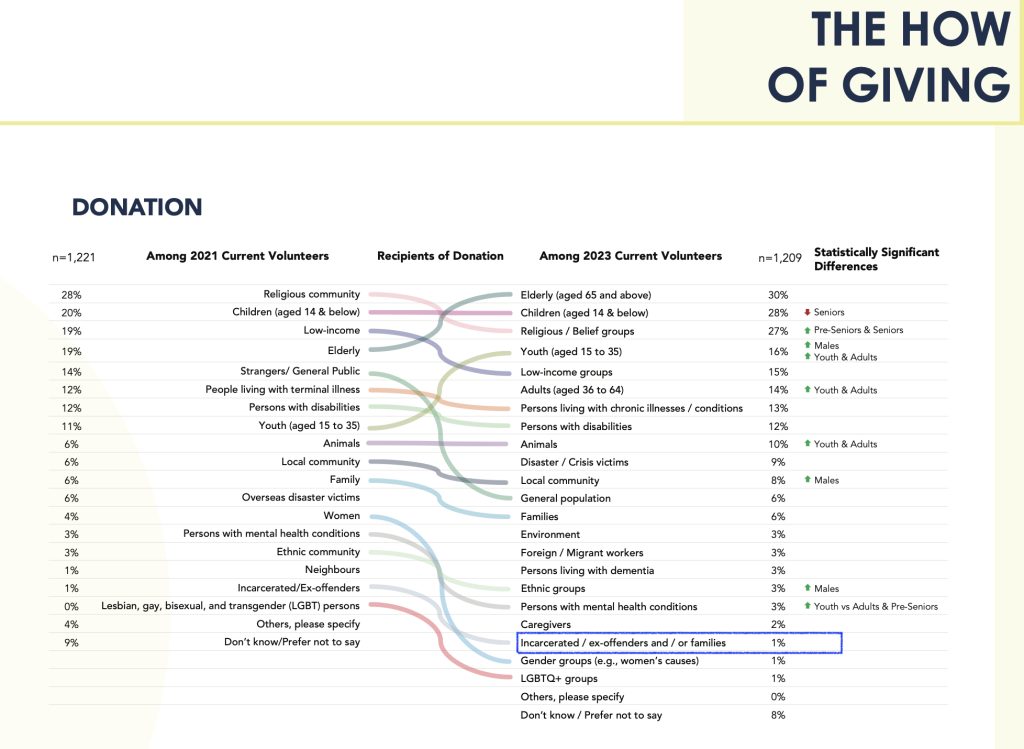
In business, we often want to buy low, and sell high. We want to look for undervalued businesses that have potential to grow. If we apply the same concept to donations, you’d realise that there are some industries where much more can be done, but that not enough has been done yet. Why?
Because resources have been an issue. If you look at groups like women’s causes, advocacy groups like AWARE and the Singapore Council of Women’s Organisations have really advanced the women’s cause in Singapore, with very little resources. Just imagine what they can do if others help more.
What’s more, your donations fill greater gaps because some services may not be as prioritised by the government. In places like education and eldercare, we know the Government has been funding more of it. But others may be neglected.
And that’s where we need your help. Of course, you might say “That’s not really my cause.”
Then ask where your heart lies
Giving is immensely personal.
At The Helping Hand, I once met a donor who spoke about how she was brought to a halfway house as a 16 year old. As a young, sheltered teenager, she had never seen this side of Singapore. She never even knew that Singapore had such rehabilitative services that sought to help those with substance abuse struggles.
But she came. And over time, she gave, because she realised that the work wasn’t just about this generation. It was also about the next.
Rehabilitation would mean that the fathers who were in halfway houses would not see their child grow up. Their child would grow up without the healthy guidance of a father, and might turn wayward to find belonging.
Do you have a cause that you care deeply about? Some questions to think through:
- Was there an organisation that really helped your growth?
- For example, you might have been helped by free tutors, provided by the likes of CDAC or Mendaki.
- Was there a charity that helped your family?
- Are there people that provoke a deep emotion?
- Other questions to consider:
- When was the last time you teared when you saw a movie? That may well be the type of cause that triggers you.
- Or could you remember when you felt a deep sadness when you saw a group of people in need (whether it be children, or the elderly?)
- Other questions to consider:
Look at those that are underserved
Some of those who most needy are often the most underserved too.
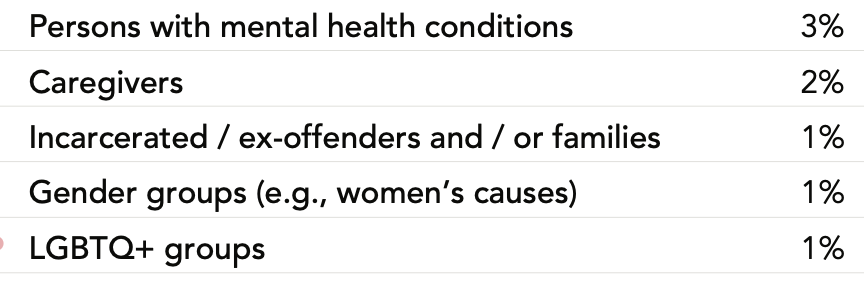
In 2023, NVPC introduced a study into the giving patterns of the ex-offenders, and found that some causes were still high in the public’s consciousness, whilst others were not so public.
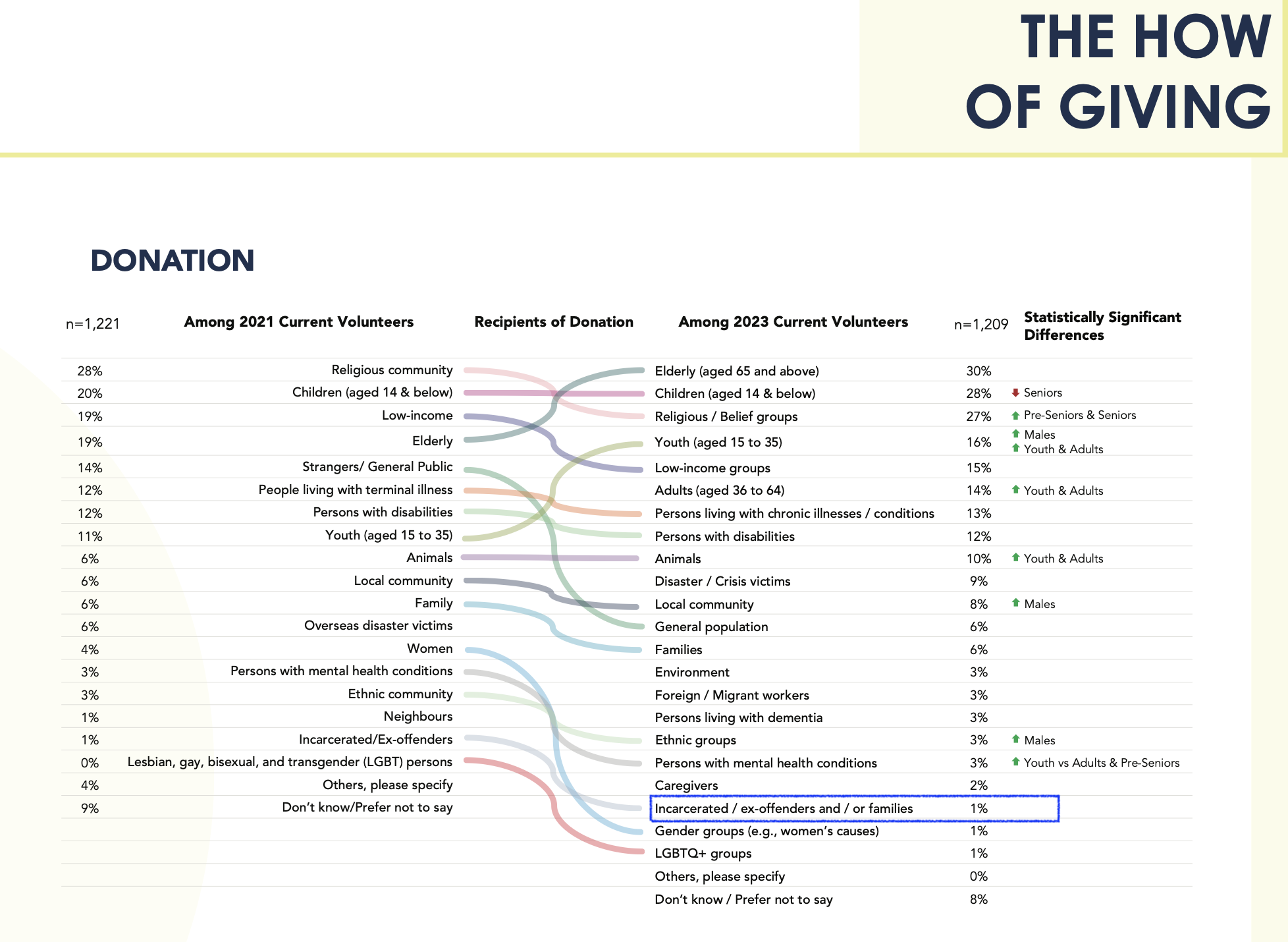
If you look at the bottom part of the graph above, you would see two contrasts. At the top are causes that receive the most donations and volunteers, such as the elderly, children, and youth.
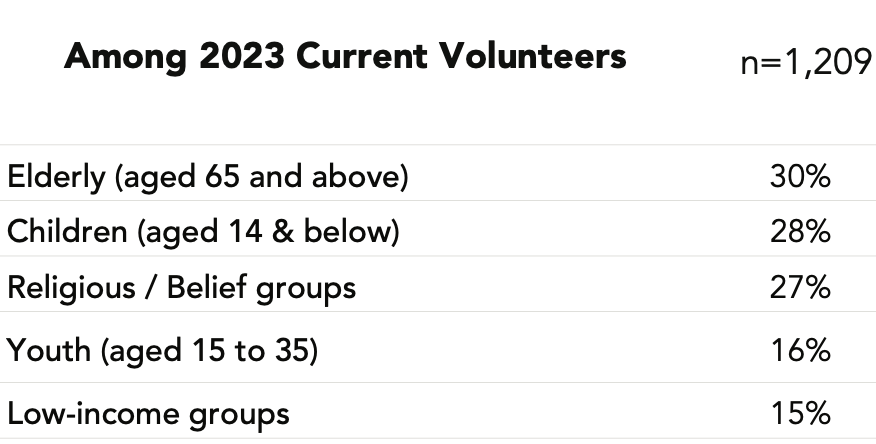
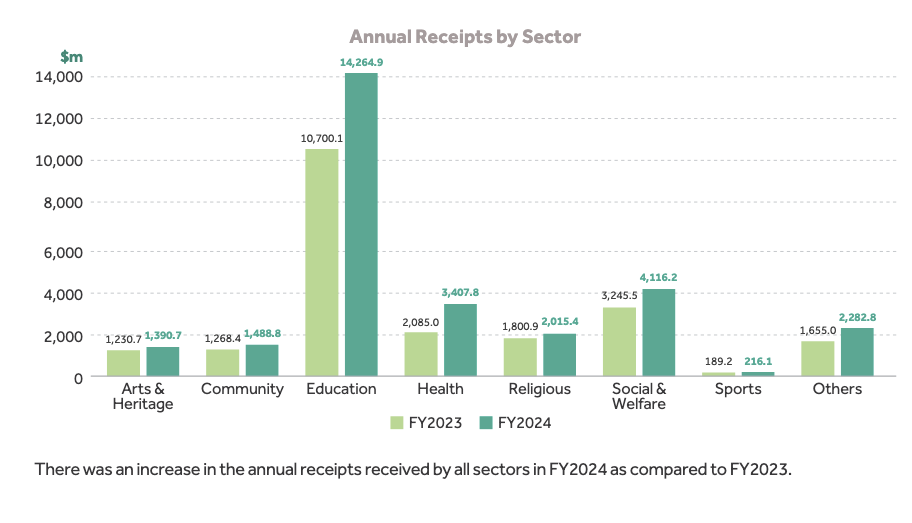
But just below, you would see where the causes with the least donations come from.
For example, amongst the incarcerated, a big champion of the movement was Jason Wong, who was formerly the Deputy Director at the Singapore Prison Service. One of his most sterling testimonies was when he knelt down to wash the feet of the prisoners.
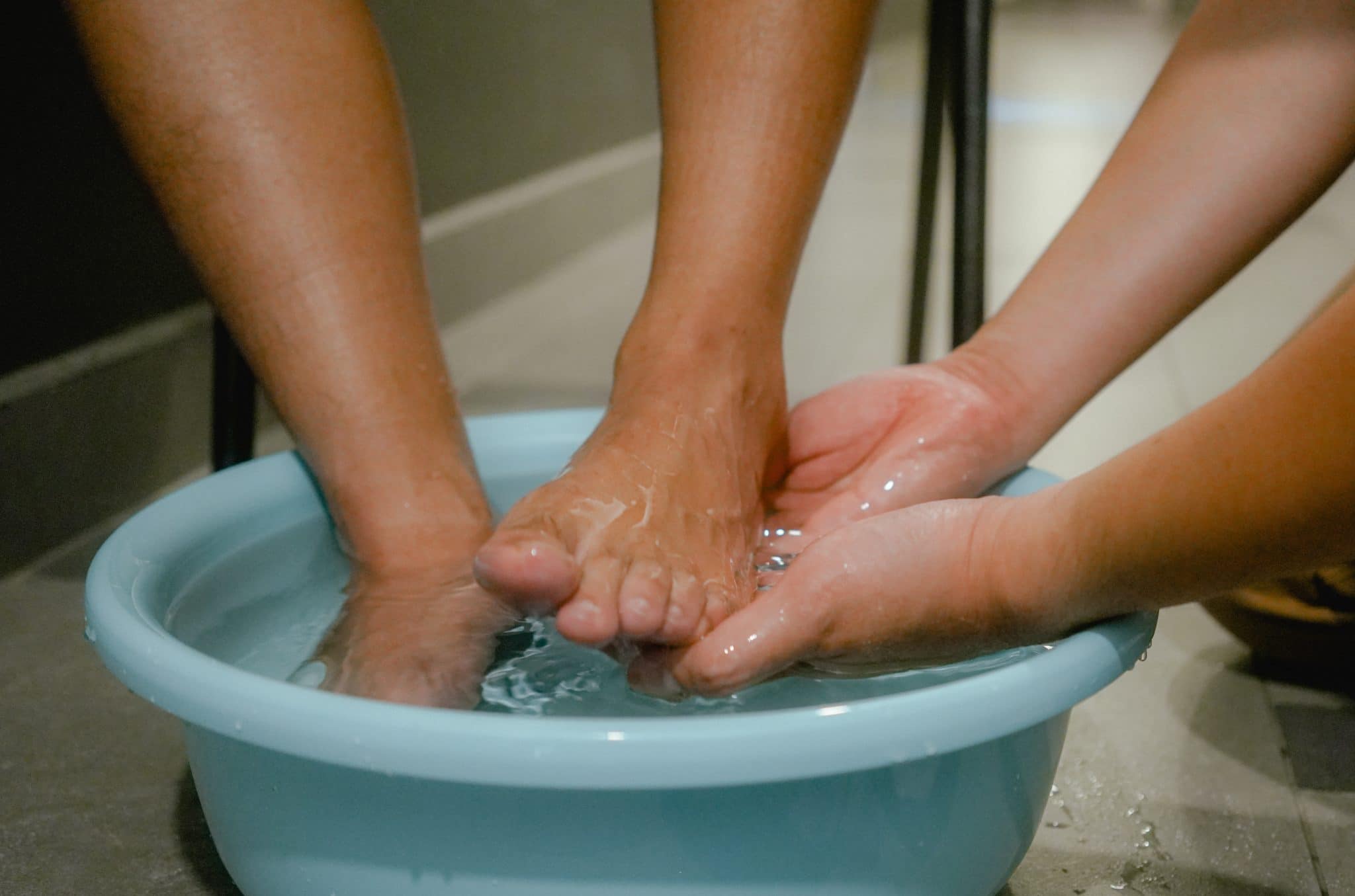
Jason Wong simply wanted to obey the voice of God, who had put him in such a place.
Robin Tay, who was one of those whose feet was washed, said,
“I finally experienced what unconditional love felt like. When my mother left my life, love left my life. But even a mother’s love can be conditional because she is related to me.
Jason could have just asked us for forgiveness, that would already be a huge thing, but he went beyond that. He must have counted the cost as there were cameras in the room and people assumed he was next in line to be the prisons’ head.”
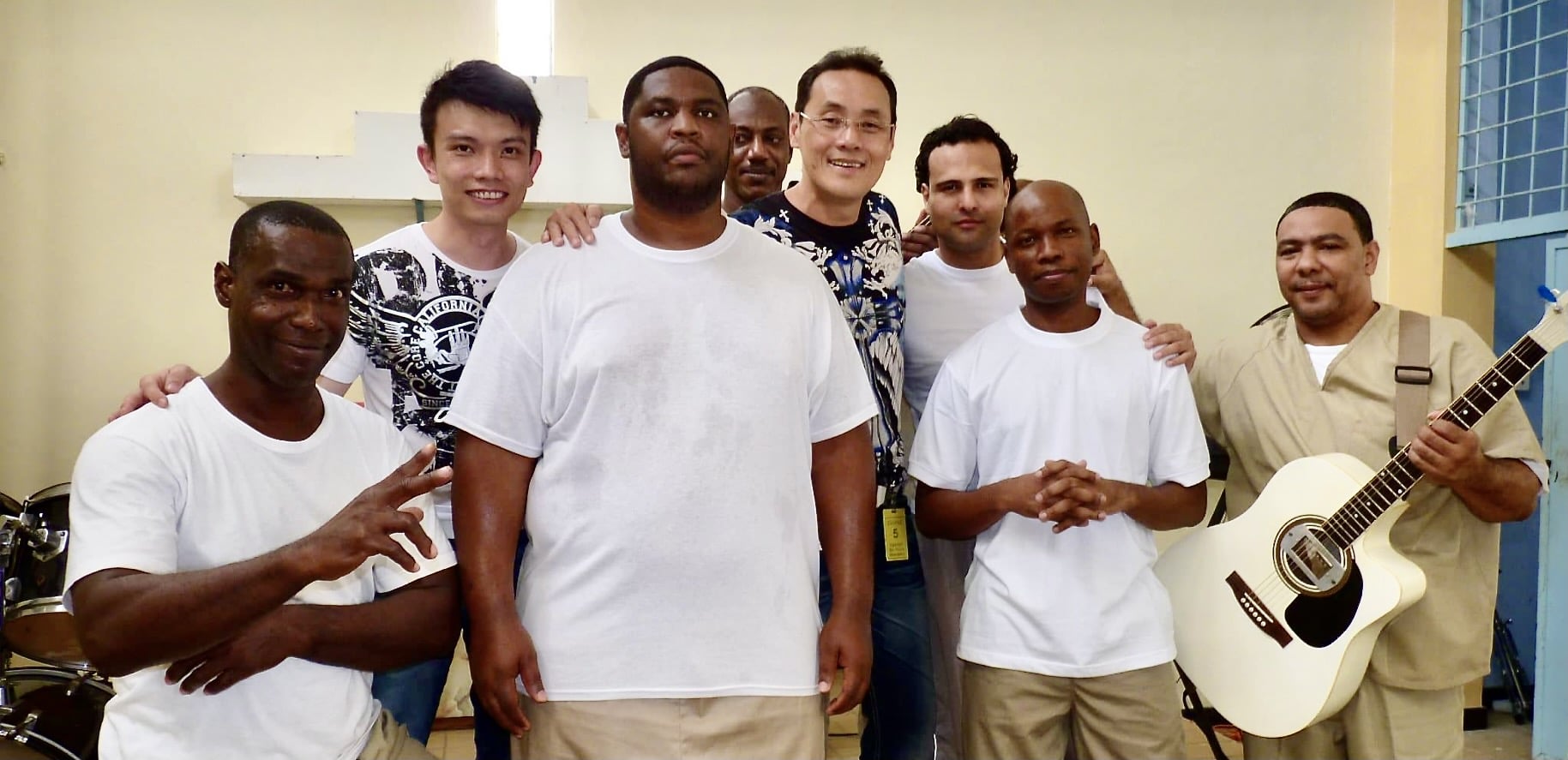
This incident, which took place in 2002, was a sign of things to come. Jason later moved on to become CEO of SCORE, which was then the association that was helped ex-offenders to regain employment.
He later introduced the Yellow Ribbon as a sign of societal acceptance. This accelerated much of the change in the public’s perception.
But the work has not finished. Much of our rehabilitative work today still requires your continued help to change perceptions.
Donate to unmet needs in ex-offender rehabilitation like The Helping Hand
Why ex-offenders? Don’t they seemingly ‘deserve’ what they get? What we often don’t realise is that they may have suffered from traumatic experiences, that led them to use drugs.
As a student social worker, before my time at The Helping Hand, one painful moment came when I saw a client struggle in his dependency on marijuana. He was smart, funny, and educated. Yet in his growing up years, he had been bullied. He was reduced to panhandling on the streets. Even then, he was brutally kicked.
Because of this traumatic past, he used marijuana to placate his pain. But it didn’t work. It ended up damaging him more. When I intervened, I tried using an emotional counseling approach. It didn’t last.
Later, when I moved to The Helping Hand, I realised that only a holistic approach would work, because these people were hurting across many different layers, and simply targeting their emotions might not always work.
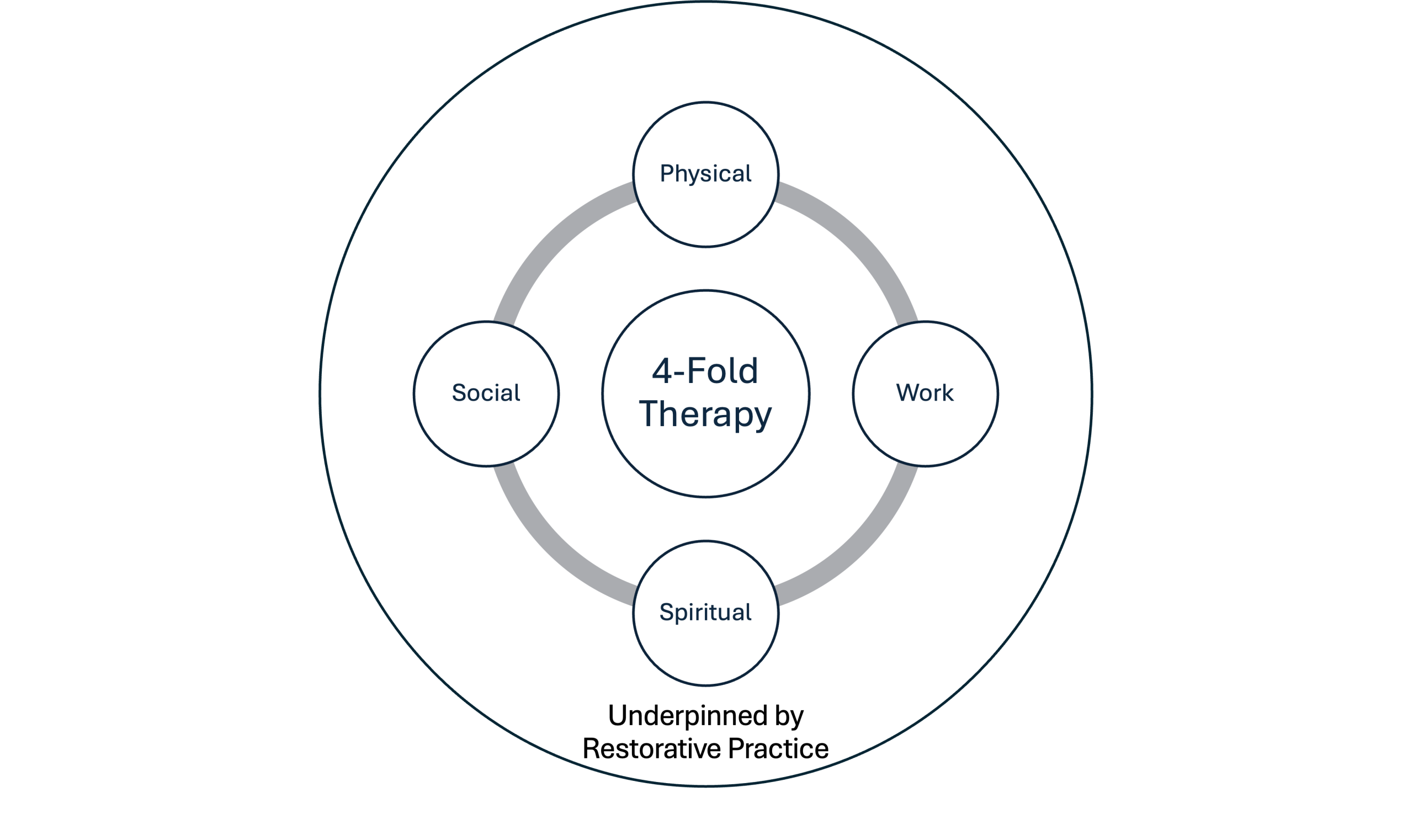
That’s why some of our work still requires additional funding.
One of the work there has been our Restorative Practice training. This aims to help staff and helpers (those who’ve moved from ex-offenders into working full-time in our organisation) to lead difficult conversations. Over the 3 full days of training, we now have a chance to hold these deeper conversations with our residents, so that we can help them to move in a deeper way.
Help those migrant workers who fall through the cracks with Healthserve
Last Sunday, at Healthserve’s Friendship Cup, I had a deep conversation with a migrant worker I was playing soccer with. He lived in Tuas, and had come all the way down to Kovan, a 2-hour ride, just to play soccer. When asked, he said, “I love friends.” One can quickly tell the loneliness on his face, and how hard it is for one to find friends in Singapore. Why help migrant workers? There are, after all, many locals that need help too.
Because they are the ones that build up Singapore, and sustain Singapore’s economic development. Imagine if workers in Singapore kept complaining about Singapore’s work conditions. Who would come to Singapore then?
No one. How would Singapore maintain its growth?
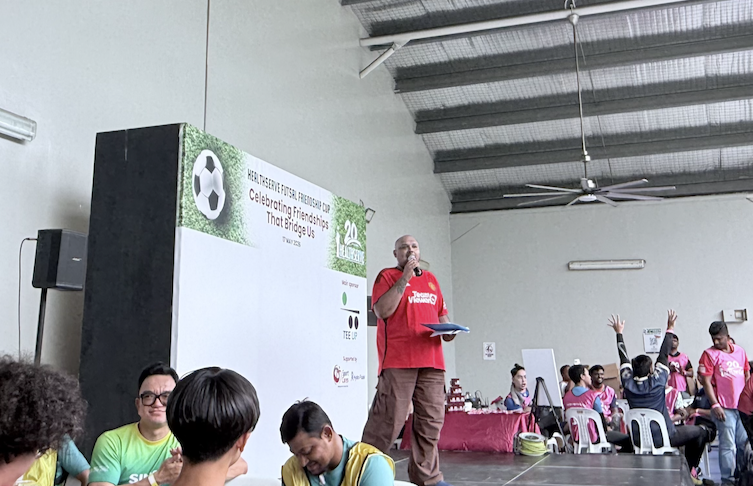
On 17 May, to celebrate 20 years of serving the migrant community with healthcare, and casework, Healthserve brought together 100 people for a Friendship Cup, and it was great to see the interactions, that prompted deeper understanding.
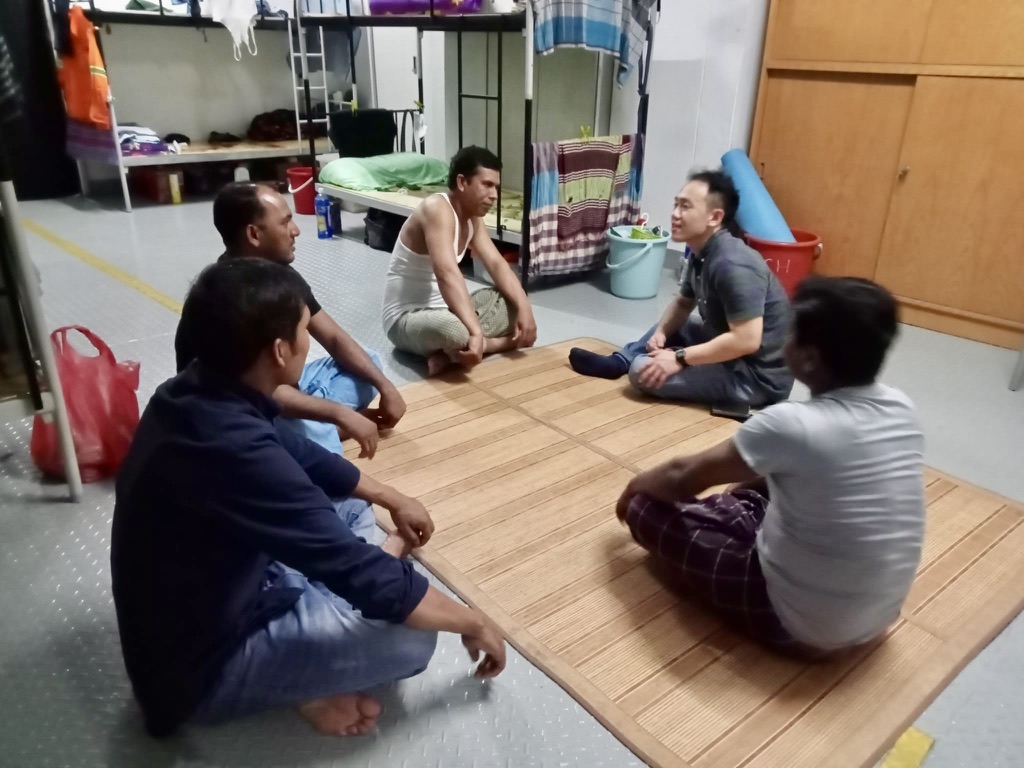
One of my most profound experiences came in the migrant worker dormitories to write an article on their conditions. It was then that I realised how grateful they were to come to Singapore, and to how we too, can be thankful for their support of our economy. Giving to that cause, is worth it too.
Help disadvantaged youths gain Access
Growing up in a neighbourhood primary school, I gained a rude shock when I landed in an elite school after my PSLE. But it was also there that I gained the basics of ‘networking’, from learning what interested the higher social classes during dinners, to shaking hands, to how to eat daintily, so that you could still hold a decent conversation.
It was also there that I got access to social capital, finding friends that would eventually rise to high positions.
But for many youths from disadvantaged families, this is not a reality. During my first social worker stint, I recall a client who struggled to fit into his new workplace, because he felt many were too ‘atas’ (high-class) for him.
Access is a charity that connects those without social capital, to those with, through mentoring, and befriending sessions, so that they can grow into their fullest potential.
Give to innovative charities working with families like South Central FSC
Of course, you might enjoy giving more to support families in need. That’s where charities like South Central can be a great place. Since I started as a social worker, I’ve always heard their name on people’s lips when people talk about innovative charities.
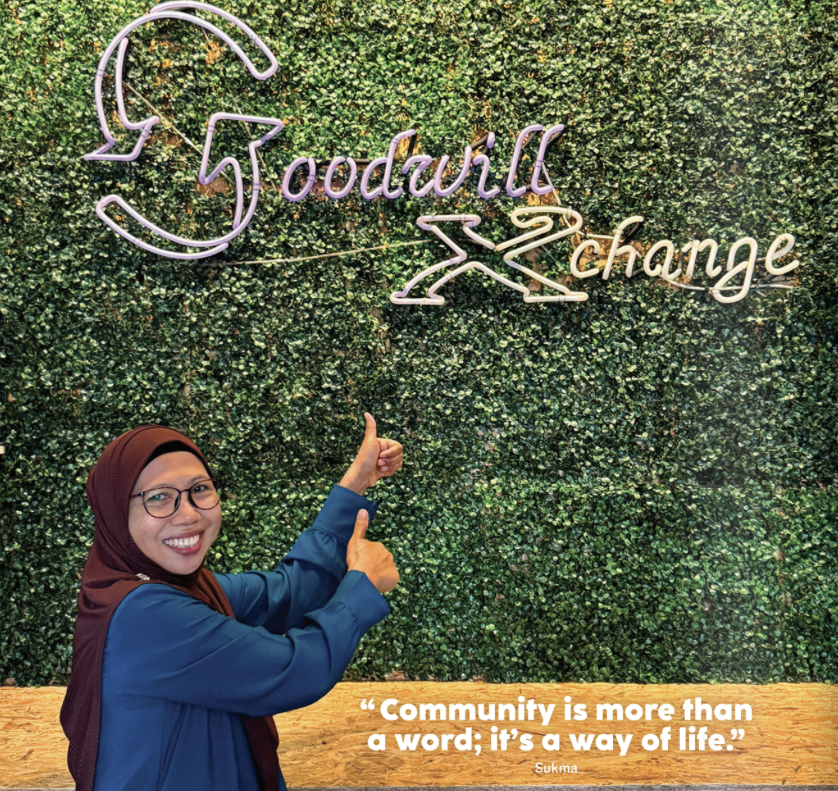
Why? Because they are always thinking about making long-lasting poverty transformation, and not just band-aid like solutions.
For example, one can see how they created a debt and savings matching plan to help families in the poverty cycle to clear their debts, and live free of debt. For every dollar saved or used to pay debt, it was matched by $2.
None of this has been easy, but it’s certainly helped the community to stand on their own two feet.
You can give to their work here.
Another creative charity for community empowerment lies in Beyond
Another charity at the forefront of a different type of change is Beyond. Beyond has focused on community activation for the community, by the community. One example? Their community fellows.
They were previously teased for being “Makcik Kaypoh”. But after months of training, they led a door knocking initiative across 163 households, to better understand the realities of overcrowded homes, and how the community wanted shared and safe spaces where their children could study and play.
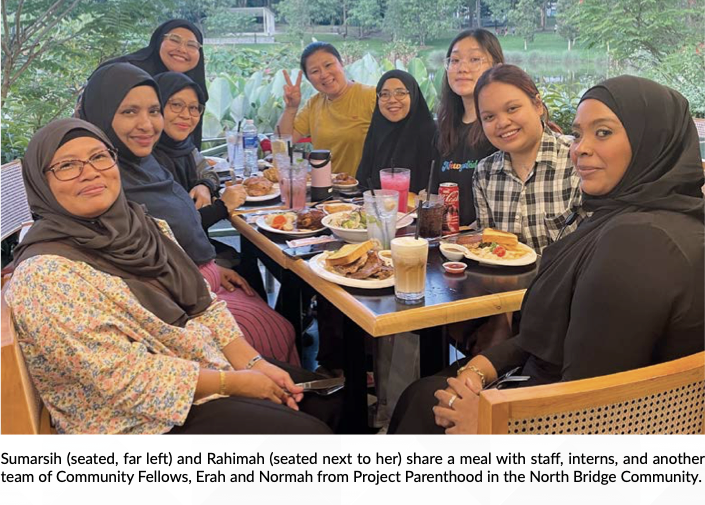
They’re definitely another prime example of a charity worth worth donating to.
Why? Because they keep investing in our community. Donate to their work here.
Help the mental health charity serving caregivers and peers, through Resilience Collective (now Mindfull Community)
Someone else who’s invested a lot into community-building is Hsieh Fu Hua, who was previously a corporate high-flyer. Yet he was also not immune to mental distress striking his family.
In 2000, his daughter was facing depression. When his psychiatrist asked him: “So what do you want me to do for her? What is your objective?”
“A stupid parent like me said: ‘I wanted her to go back to school’,” he said. The psychiatrist replied, saying, okay, he would fix that for him.
The session did not end well. Mr Hsieh’s daughter said she never wanted to see the specialist again.
The second psychiatrist she saw fell asleep on her.
He realised that with mental health, it was not just professional help, but the community’s combined journey with the client. Mental distress is a long-term condition, and one can only learn to live with it.
In January 2025, the Resilience Collective (now known as the Mindfull Community) merged with Caregivers’ Alliance to look at how to better support the entire ecosystem of carers.
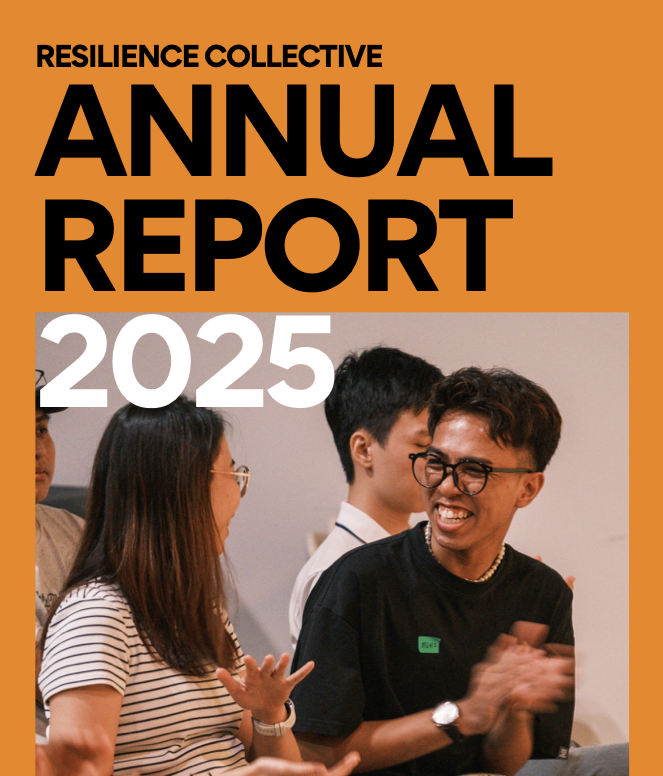
All of this is vital work, and something that needs consistent resourcing. In an age where many of us are succumbing to the stressors of life, we need to depend on such community resources.
Nurture our wider community of readers through Singapore Book Council
Another organisation that has worked greatly on nurturing the community, moving them away from their phones and to deeper engagements with the things around them, is the Singapore Book Council.
One cannot underestimate the power of reading, particularly if you look at just how difficult it’s been to get children off their phones.
But learning to read and engage deeply, without splitting one’s attention with a phone, is a unique skill. One cannot discount the power of learning to focus, that can come through reading.
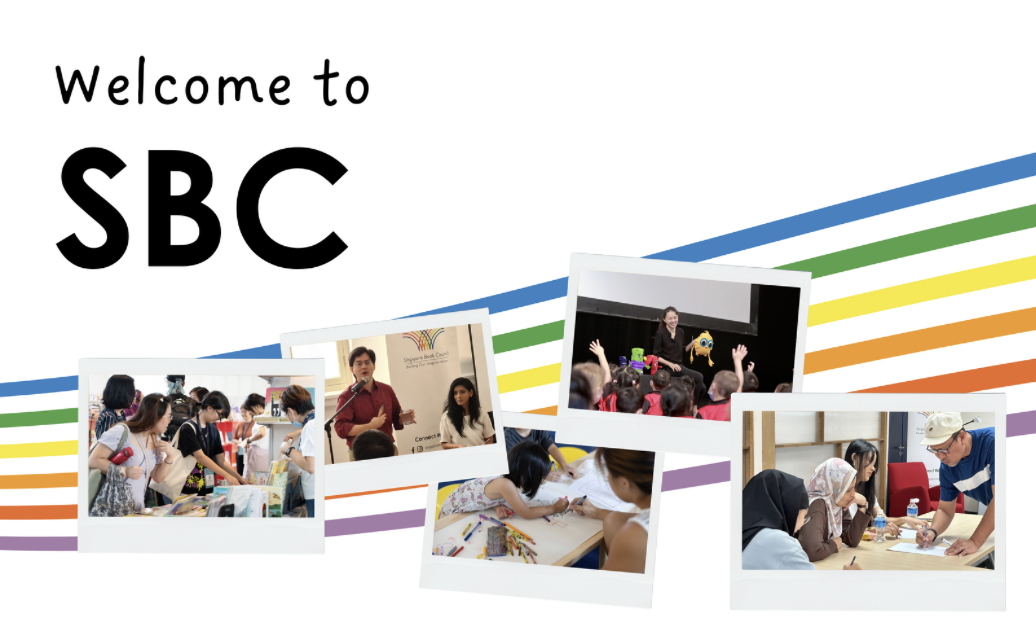
SBC’s programmes have focused on bringing these stories to life, allowing children to see that stories don’t just exist at the edge of a thumb, but can be slowly explored through the slow reading of a book, thumbing it through for better ideas.
Of course, another charity that has had great ideas is Lien Foundation.

Give to innovative foundations that can further your social impact, like Lien
In 2016, as an intern with the Ministry of Social and Family Development, I was asked to do a study into the giving patterns in Singapore, and what donors looked like, and looked for. That was when I found Lien Foundation, and its program lead for elderly services, Gabriel. Gabriel shared about how they were innovatively piloting programs that they had learnt from abroad, and taking that risk. Eventually, when the concept proved itself, the government would take over.
Some of those examples have included Gym Tonic, which is a customised strength training regime for the elderly, to prevent them from losing muscle mass. And if you look at their beautifully designed Annual Reports, that is the gold standard for social service innovation in Singapore.
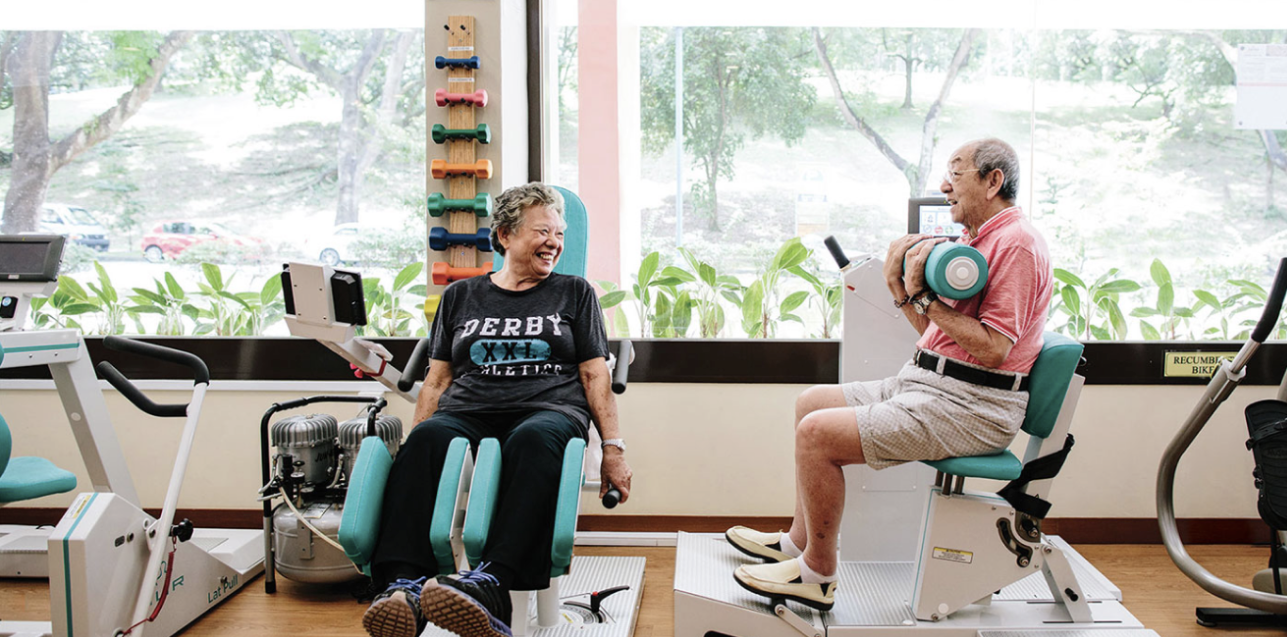
You might just want to donate to them by emailing them here.
There are no perfect places to donate
One of the things we’ve learnt is that every charity is doing great work, and we’re limited by how many we can list here. This is not an exhaustive list, and everyone deserves to be mentioned for their hard work.
But here’s a final story to close. A month ago, one of our helpers who’d recently been confirmed to work full-time with us, came and shared happily,
This is the first time in my 48 years of life that I’ve ever gotten a bonus!
He’d never managed to hold down a proper job for the years he’d been working. This was an achievement. Seeing him that happy, made us proud too.
Yes, at The Helping Hand, our work may seem humble. Simple meals, shared over a wooden table. But for many of our residents who never grew up with a healthy family, this is the first family that they can reliably rely on.
You too, can be part of that family, if you choose to.